 Wayther

Driving in Snow and Ice: Planning Around Winter Weather
Learn how to plan a winter road trip around snow, freezing temperatures, and icy conditions, using weather forecasts to choose when and where to drive.
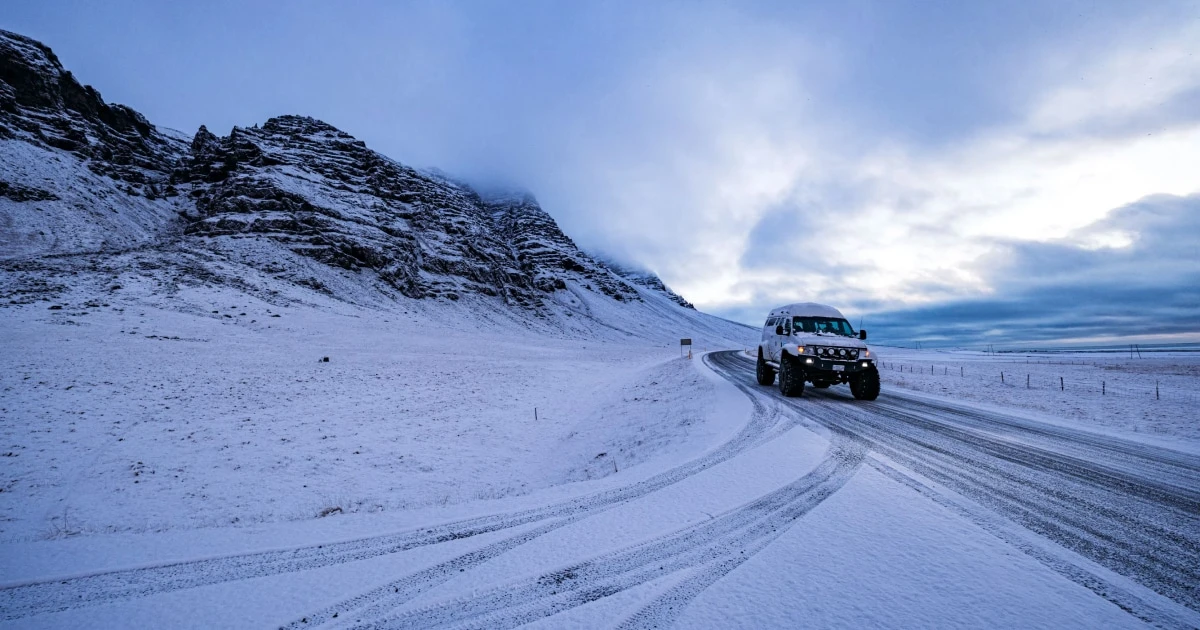
Winter driving can change significantly over the course of a single journey. A motorway may be clear when you leave, while a mountain pass, a shaded road, or a higher section of your route encounters snow or freezing conditions later.
The challenge is not just knowing whether it will snow at your destination. You need to understand where winter weather may affect your journey, when it is expected, and whether changing your plans makes sense.
Checking the forecast before you leave is a useful first step. For a longer trip, checking the weather along the entire route can help you identify sections that deserve closer attention.
1. Check the weather along your entire route
A single forecast for your departure city or destination cannot describe the conditions you may encounter along hundreds of miles of road.
For a winter journey, pay attention to:
- Snow and other precipitation: Check where snow is expected, how much precipitation is forecast, and when it may occur.
- Air temperature: Temperatures near freezing deserve attention, especially when precipitation is forecast or temperatures are changing.
- Visibility: Falling snow, fog, and blowing snow can make it harder to see the road and other vehicles.
- Wind: Strong winds can blow snow across exposed roads and create additional challenges for high-sided vehicles.
- Elevation: Mountain roads and high passes may experience different conditions from nearby valleys and lower elevations.
Look at several points along the route rather than relying on conditions at the start and end of your journey.
For example, a forecast showing clear weather in both cities does not necessarily mean the mountain road between them will also be clear.
Wayther lets you explore weather forecasts at points along your driving route, helping you identify where conditions may change during the journey.
2. Pay attention to temperatures around freezing
Freezing conditions are an important part of winter trip planning, but the air temperature alone cannot tell you whether a road is icy.
Road surfaces do not always match the temperature reported by a weather forecast. Bridges, elevated sections, shaded roads, and areas exposed to different conditions can freeze while nearby roads remain clear.
Black ice is particularly difficult because it can be hard to see. A road that looks wet may be slippery, and the absence of visible snow does not establish that the surface is safe.
When reviewing the forecast, consider the combination of:
- Temperatures near or below freezing.
- Rain, snow, or melting snow.
- Overnight cooling and early-morning conditions.
- Changes in temperature during your journey.
- Local warnings and reported road conditions.
Do not use a temperature threshold as proof that a road is safe or icy. Forecasts provide useful context, but they cannot confirm the actual state of the road surface.
For official guidance, consult your local weather service and road authority before travelling.
3. Identify the most exposed sections of your journey
Some parts of a route deserve more attention than others when winter weather is forecast.
Mountain passes and high-elevation roads
Elevation can bring colder conditions and different precipitation types. A route that is mostly rain at lower elevations may encounter snow higher up.
Check forecasts for the specific pass or area you intend to cross. Also look for official information about closures, restrictions, snow clearance, and equipment requirements.
Bridges and elevated roads
Bridges can cool differently from the surrounding road surface. Be especially cautious when freezing conditions are possible, even if nearby roads appear wet rather than icy.
Shaded and wooded sections
Roads that receive little sunlight may remain colder for longer. This can matter during early mornings, after snowfall, or when temperatures fluctuate around freezing.
Open roads exposed to wind
Wind can reduce visibility by blowing snow across the road. Strong crosswinds can also affect vehicle control, particularly for vans, motorhomes, trucks, and vehicles towing trailers.
A weather forecast can help you identify areas to investigate, but it cannot determine which individual stretch of road is currently slippery or passable.
4. Decide whether to leave earlier, later, or another day
Changing your departure time can sometimes reduce your exposure to difficult weather. However, an earlier start is not automatically better in winter.
An early departure may mean travelling during colder temperatures, darkness, or the hours when frost and ice are more likely to be a concern. Leaving later may provide more daylight or a different forecast window, but it could also place you on the road during heavier snowfall.
Compare the expected conditions during the hours when you will actually be driving.
Consider these questions:
- Will snow or freezing precipitation overlap with the most exposed parts of the route?
- Would a later departure place those sections in a more favourable forecast window?
- Would an earlier arrival avoid a period of worsening weather?
- Is daylight important for the mountain roads or unfamiliar sections ahead?
- Are official travel advisories recommending that motorists avoid the journey?
If neither departure time offers a reasonable plan, postponing the trip may be the better option.
With Wayther, you can compare forecast conditions for different departure times and plan ahead for upcoming days. This is useful for evaluating alternatives, but it is not a guarantee that the weather will cooperate.
5. Consider an alternative route
The shortest route is not always the most suitable route in winter.
An alternative may avoid a high mountain pass, reduce exposure to strong winds, or take you through an area with a more favourable forecast. However, a longer route can also introduce other risks, including additional driving time, unfamiliar roads, or different elevations.
When comparing alternatives, consider:
- Forecast snowfall and freezing conditions along each route.
- Elevation changes and mountain crossings.
- Visibility and wind exposure.
- Expected travel time and daylight.
- Official road closures, restrictions, and winter equipment requirements.
Do not assume that a major road is always safer than a smaller road, or that a longer route is automatically better. Actual road maintenance, traffic, local conditions, and official restrictions matter.
Wayther can help you compare the forecast along available route alternatives. Use that information alongside current road reports to decide whether a different route makes sense.
6. Prepare your vehicle before leaving
Weather planning is only one part of winter driving. Your vehicle also needs to be suitable for the conditions you may encounter.
Before a long winter journey, check the following.
Tires and winter equipment
Make sure your tires are in good condition and inflated to the vehicle manufacturer’s recommended pressure. Check whether winter tires, snow chains, or other equipment are required by local regulations or the roads you plan to use.
Requirements vary by country and region, so verify them before crossing borders or travelling through mountain areas.
Visibility and lights
Clear snow and ice from all windows, mirrors, lights, and number plates before departure. Remove snow from the vehicle so that it cannot slide or blow off and endanger other road users.
Check that your wipers, washers, and demisting systems work correctly.
Battery and essential supplies
Cold weather can affect battery performance. Make sure your vehicle is in good condition and carry suitable emergency supplies, such as warm clothing, a phone charger, an ice scraper, a torch, food, and water.
For remote or mountainous journeys, consider the additional equipment recommended by local authorities.
Electric vehicles
Cold weather can reduce an electric vehicle’s available range, and cabin heating can increase energy consumption. Allow for a suitable charging margin and check charging options along your route, particularly where winter conditions could cause delays.
The right preparation depends on your vehicle, your destination, and the expected conditions. Follow your vehicle manufacturer’s recommendations and local winter-driving guidance.
7. Adjust your driving to the conditions
Even a carefully planned trip can encounter unexpected snow or ice.
Official driving guidance recommends reducing speed, leaving a much larger gap from the vehicle ahead, and avoiding sudden acceleration, braking, or steering. Braking distances can increase substantially on snow and ice.
In practice:
- Reduce speed to suit the actual road conditions.
- Accelerate and brake smoothly.
- Leave significantly more following distance.
- Approach bends slowly and avoid abrupt steering inputs.
- Be particularly cautious on bridges, shaded roads, and exposed sections.
- Follow road closures, variable message signs, and instructions from authorities.
Do not assume that a road is safe because it has been treated or because other vehicles are travelling at normal speed.
If conditions deteriorate beyond what you can manage safely, look for a safe and lawful place to stop or leave the road. Do not stop in a dangerous location simply to check the forecast.
If authorities advise against travel, or you encounter conditions that make continuing unsafe, do not rely on an app or navigation route to justify proceeding.
8. Check official road information before and during the trip
Weather forecasts and road-condition reports answer different questions.
A weather forecast estimates atmospheric conditions. A road authority may provide information about closures, snow clearance, restrictions, chain requirements, or incidents. Neither should be treated as a complete guarantee of conditions on every stretch of road.
Before leaving:
- Check local weather forecasts and any relevant winter weather warnings.
- Review official road-condition updates for mountain passes and other critical sections.
- Confirm whether winter equipment is required.
- Check again before departure if conditions are changing.
- If the journey is long, reassess the situation when it is safe to do so.
For international trips, use the relevant national or regional weather service and road authority. Their information is particularly important when crossing mountain ranges or travelling through areas with rapidly changing winter conditions.
9. Use a winter weather checklist before departure
Before setting off on a winter road trip, work through this checklist.
- Check the forecast at your departure point, destination, and intermediate locations.
- Review snowfall, precipitation timing, temperatures, visibility, and wind.
- Pay particular attention to mountain passes and other exposed sections.
- Check official weather warnings, road closures, and travel restrictions.
- Confirm that your tires and required winter equipment are suitable.
- Check your lights, wipers, washers, windows, and battery.
- Compare departure times if the forecast suggests a difficult weather window.
- Consider an alternative route or postponing the journey if conditions warrant it.
- Carry suitable emergency supplies and allow extra time.
- Recheck weather and road information before leaving.
The objective is not to predict every change in the weather. It is to identify the most important uncertainties before they affect your journey.
Plan your winter drive with Wayther
Winter conditions can vary significantly between your starting point, the roads in between, and your destination. Looking at a single city forecast may leave important parts of the journey out of the picture.
Wayther helps you explore weather forecasts along your route, compare departure times, and evaluate alternative routes before a trip. You can review conditions such as precipitation, temperature, wind, and visibility where forecast data is available.
Use Wayther to help plan when and where to drive, alongside official weather warnings and road-condition information.
Forecasts cannot confirm whether a road is icy, whether snow has been cleared, or whether a route is safe to travel. If conditions are dangerous or authorities advise against travelling, postpone the journey rather than relying on a more favourable forecast alone.
Frequently asked questions
- How can I check whether there will be snow on my driving route?
- Check the forecast at several points along your route, including mountain passes and higher elevations. Look at precipitation type, temperature, and timing rather than relying only on the forecast at your destination. Also check official road and travel updates.
- Can roads be icy when the temperature is above freezing?
- Yes. Air temperature alone does not establish the condition of the road surface. Shaded sections, bridges, and elevated roads can remain icy when nearby areas are clearer. Forecasts cannot confirm whether a particular road is slippery.
- Should I drive if snow is forecast?
- It depends on the expected conditions, your vehicle, your tires, your experience, and local travel advice. If authorities advise against travel, or conditions may make the journey unsafe, postpone or choose another plan.
- What temperature should I watch for when driving in winter?
- Pay particular attention to forecasts around freezing, but do not treat 0°C (32°F) as a definitive threshold for icy roads. Road surfaces can be colder or warmer than the air, and conditions vary along a route.
- Can I use Wayther to avoid snow and ice?
- Wayther helps you compare forecast weather along a route and explore different departure times or route alternatives. It does not directly detect black ice, measure road-surface temperature, confirm road conditions, or guarantee an ice-free journey.
Before your next journey
Check the forecast for the road ahead.
Wayther is a road trip weather app for drivers, available on iPhone and iPad. It provides hour-by-hour road trip weather at every point on your route, timed to when you'll be there. Compare routes, find the best time to leave, plan 10 days ahead. Try it free.

Keep reading
How to Find the Best Time to Travel by Road
Find the best time to start a road trip by comparing weather along your route, expected arrival times and daylight before you leave.

Driving in Fog: How to Read Visibility Along a Route
Learn how fog affects visibility, why conditions can change during a drive, and how to plan your departure around reduced visibility.
Driving in High Winds: What a Forecast Tells You and What It Doesn't
Learn how wind speed, gusts and direction affect driving, why high-sided vehicles are more vulnerable, and how to check wind forecasts along your route.