 Wayther

Electric Car Road Trips: How Weather Affects Range and Charging
Learn how cold, heat, wind and rain affect electric car range, charging stops and road trip planning.
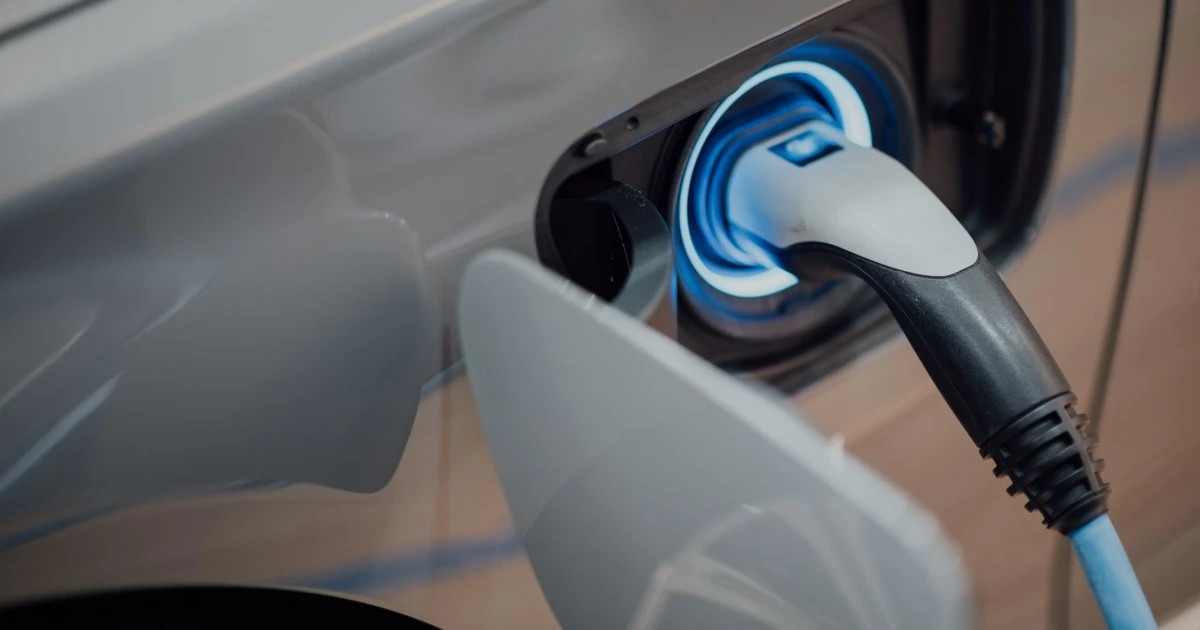
Planning an electric car road trip involves more than checking the distance between your starting point and destination. The weather can affect how much energy your car uses, how far you can travel between charging stops and how long charging may take.
Cold weather is a well-known challenge for EV drivers, but it is not the only factor. High temperatures, strong headwinds, heavy rain and changes in elevation can also affect energy consumption.
The goal is not to predict your range to the last kilometre. It is to understand the conditions ahead, leave yourself a reasonable margin and plan charging stops that still work if consumption is higher than expected.
1. Why cold weather reduces EV range
Cold temperatures can affect both the battery and the energy needed to keep the cabin comfortable.
Lithium-ion batteries generally operate less efficiently when cold. Depending on the vehicle, the battery may also use energy to warm itself to a suitable operating temperature. Heating the cabin adds another demand that a conventional car’s engine might otherwise supply partly through waste heat.
The impact can be particularly noticeable on short trips, when heating and battery temperature management account for a larger share of total energy use. On a long highway journey, sustained driving and cabin heating still matter, but the overall effect depends on the vehicle and conditions.
There is no single percentage that applies to every electric car. The range reduction depends on the model, outside temperature, trip length, speed, heating system and starting battery temperature.
How to prepare for a cold-weather drive
- Precondition while plugged in. If your vehicle supports cabin or battery preconditioning, use it according to the manufacturer’s instructions. This can reduce the energy drawn from the battery after departure.
- Start with enough charge. Consider a larger reserve when temperatures are low or charging stations are far apart.
- Check the car’s estimated range. Use your vehicle’s own trip and energy-consumption information as a starting point, while remembering that estimates can change during the journey.
- Allow extra time for charging. A cold battery may limit DC fast-charging power until it reaches a suitable temperature.
- Know where your backup chargers are. Do not rely entirely on one charging location if the next station is far away.
The U.S. Department of Energy has more advice in its guide to winterizing an electric vehicle.
2. How hot weather affects electric car range
Hot weather can also increase energy consumption. Air conditioning draws power from the battery, and the vehicle may need to manage battery temperature in hot conditions.
The effect varies by car and circumstances. Using air conditioning on a warm day does not automatically make a road trip impractical, but sustained high temperatures can change how much energy you need and how the vehicle manages its battery.
Before a hot-weather journey:
- Set a comfortable cabin temperature before departure, ideally while plugged in if your car supports preconditioning.
- Check the forecast for the entire route, not just your departure city.
- Consider whether the journey crosses hotter inland areas or exposed stretches of road.
- Avoid planning charging stops so tightly that you have no flexibility if energy consumption rises.
- Follow the vehicle manufacturer’s guidance for battery temperature and charging.
Heat can also affect charging performance. Some vehicles manage battery temperature automatically, which may require energy and can influence charging speed. Use your vehicle’s guidance rather than assuming that every fast charger will deliver its maximum advertised power.
3. Wind, rain and highway speed matter too
Temperature is only one part of the picture. Conditions that increase the energy required to move the car can reduce the distance you travel per kilowatt-hour.
Strong headwinds
Driving into a headwind increases aerodynamic resistance. The effect can become more significant at highway speeds, where aerodynamic drag already accounts for a substantial share of energy consumption.
A strong tailwind can have the opposite effect, but do not assume that favourable wind on one section will cancel out a headwind later. Wind direction and speed can change along the route.
Rain and wet roads
Rain can increase energy consumption because of additional resistance from wet road surfaces. Heavy rain may also lead to slower traffic, reduced visibility and changes in driving behaviour.
The energy impact depends on the intensity of the rain, road surface, speed and vehicle. More importantly, wet-weather driving requires a suitable speed and following distance. Do not try to preserve range by driving faster or compromising safe driving practices.
For practical advice, read Driving in Rain: Reading Road Conditions Along Your Route.
Higher speeds
Higher speeds generally increase aerodynamic drag and energy consumption. On a long motorway journey, a modest change in cruising speed can affect the distance you can cover between charges.
If your battery reserve is lower than expected, reducing speed within the legal limit and appropriate for the conditions may help reduce consumption. Never drive at an unsafe speed to meet a range target or charging schedule.
Elevation and terrain
Climbing uses energy. Descending can recover some energy through regenerative braking, but not necessarily all of the energy used during the climb.
A route through hills or mountains can therefore have a different energy profile from a flatter route of similar length. Consider elevation alongside distance when planning a journey, especially if charging options are limited.
4. Plan charging stops around the conditions
A charging plan should work under realistic conditions, not only under ideal ones.
Start with your vehicle’s navigation or a dedicated EV route planner to identify compatible charging stations. Check connector compatibility, charging power, location and availability information where provided. For longer journeys, identify at least one alternative to a key charging stop when practical.
Then consider the weather forecast.
For example, if you expect cold temperatures and a strong headwind on an exposed motorway, a leg that is usually comfortable may require more energy than usual. You may want to charge earlier, choose a stop with several charging points or preserve a larger battery reserve.
If the forecast is mild and conditions are favourable, your normal plan may be sufficient. There is no need to add unnecessary stops every time the forecast changes.
Why a backup charging option matters
A charger may be occupied, out of service or unsuitable for your vehicle. Weather-related delays and busy travel periods can also disrupt a tightly scheduled trip.
Before leaving:
- Identify your planned charging stops.
- Check the next stop’s distance against your expected consumption.
- Find a backup station where the network allows it.
- Confirm charging compatibility and check the latest availability information.
- Keep enough charge to reach an alternative when possible.
Weather apps and route-weather tools do not replace dedicated EV charging planners. Use a charging service for station details and a weather forecast to understand the conditions you may encounter between stops.
5. Is it better to take another route or leave at a different time?
Sometimes the best way to manage a weather-related range concern is to change the journey rather than add charging stops.
An alternative route may avoid a period of strong headwinds or pass through areas with more convenient charging infrastructure. Leaving later may mean warmer temperatures, while leaving earlier could help you avoid hotter conditions. Neither option is automatically better: the forecast, route geometry, traffic and charging network all matter.
Compare the trade-offs before deciding:
- Route distance: A shorter route may use less energy, but not if it involves more climbing or less favourable conditions.
- Wind exposure: An exposed road can be more affected by headwinds or crosswinds than a sheltered alternative.
- Temperature: Conditions can differ substantially between regions and elevations.
- Charging access: A slightly longer route may be easier to manage if it has more suitable charging options.
- Journey timing: Weather and traffic conditions can change during the day, so compare the forecast for the time you expect to drive.
Wayther helps you compare forecast conditions along a road route and explore alternative routes or departure times. Pair that information with an EV-specific route planner for charging stops. Wayther does not calculate a guaranteed battery range or confirm real-time charger availability.
For a more detailed decision process, see Should You Change Your Route or Your Departure Time?.
6. How far ahead should you check the weather?
For an upcoming road trip, start with a forecast for the full route. As departure approaches, review it again and pay particular attention to conditions that could affect energy use or driving safety.
Forecasts become less certain further into the future. A forecast several days ahead can help you compare broad options, but it should not be treated as a precise prediction of wind at every point on the road.
A practical approach is to:
- Several days before: Compare possible travel dates and routes.
- The day before: Review the forecast and your charging plan.
- Before departure: Check updated conditions and confirm your first charging stops.
- During the trip: Follow your vehicle’s energy estimates and current driving conditions, and adjust the plan if necessary.
Read Why Weather Forecasts Change Along a Road Trip for more on interpreting forecasts.
7. A pre-drive checklist for an electric car road trip
Before setting off, check these items:
- Charge the battery to a suitable starting level for your journey.
- Check the weather along the entire route, including temperatures, wind and rain.
- Use cabin or battery preconditioning if available and appropriate.
- Plan charging stops with compatible connectors and suitable charging power.
- Identify backup charging options for longer or more remote stretches.
- Allow for extra energy use in cold weather, strong headwinds, heavy rain or hilly terrain.
- Check tyre pressures and follow the manufacturer’s recommendations.
- Keep your charging apps, payment methods and any required charging cards ready.
- Review the forecast and charging plan again before departure.
Conclusion
Weather is an important variable in electric car road trip planning, but it is only one of several factors that determine range. Battery temperature, cabin heating or cooling, speed, wind, rain, elevation and charging conditions can all influence the journey.
Rather than relying on a single range figure, plan around the conditions you expect, maintain a sensible reserve and keep alternative charging options in mind. Check the forecast again before departure, and adapt your plan if conditions change.
Wayther can help you understand the weather along your route and compare departure times or alternative roads. Combine that forecast with your vehicle’s range estimates and an EV charging planner to make a more informed travel decision.
Frequently asked questions
- Does cold weather reduce electric car range?
- Yes. Cold temperatures can reduce EV range because the battery operates less efficiently and energy is used to heat the cabin and, on some vehicles, the battery. The effect varies by model, temperature, trip length and driving conditions.
- Does rain affect electric vehicle range?
- Rain can increase energy consumption through wet-road rolling resistance and, in some conditions, slower or less efficient driving. The impact depends on rainfall, road conditions, speed and the vehicle.
- Should I charge my electric car to 100% before a road trip?
- Follow your vehicle manufacturer's recommendations and your battery's charging guidance. Starting with a high state of charge can help on a long trip, while frequent DC fast charging to around 80% may be more time-efficient when you do not need the extra range.
- Can weather forecasts predict my exact EV range?
- No. Weather forecasts can help you anticipate conditions, but they cannot determine exact energy consumption. Vehicle model, speed, elevation, heating or cooling, tyres, payload and traffic also affect range.
Before your next journey
Check the forecast for the road ahead.
Wayther is a road trip weather app for drivers, available on iPhone and iPad. It provides hour-by-hour road trip weather at every point on your route, timed to when you'll be there. Compare routes, find the best time to leave, plan 10 days ahead. Try it free.

Keep reading

How to Find the Best Time to Travel by Road
Find the best time to start a road trip by comparing weather along your route, expected arrival times and daylight before you leave.
How to Plan a Road Trip Around the Weather
Plan your route, compare weather along the way, and find a better departure time. A step-by-step guide to planning a road trip around the forecast.

Driving in Rain: Reading Road Conditions Along Your Route
Learn how steady rain, showers and freezing rain differ, how precipitation affects visibility, and how to check conditions along your driving route.